what is a normal blood sugar 1 hour after eating New year, new month, new week, new day
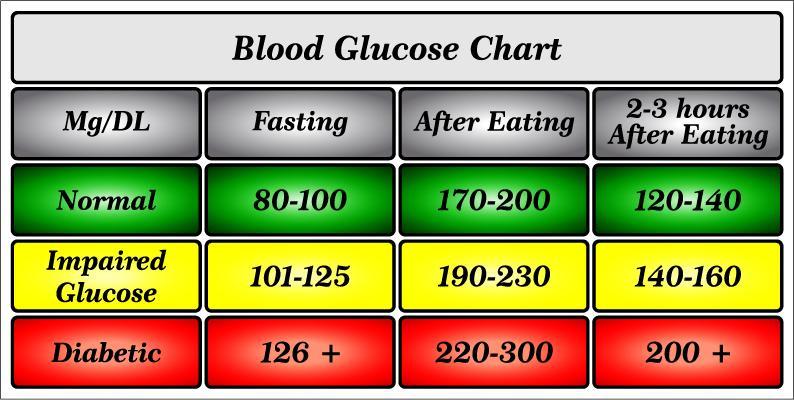
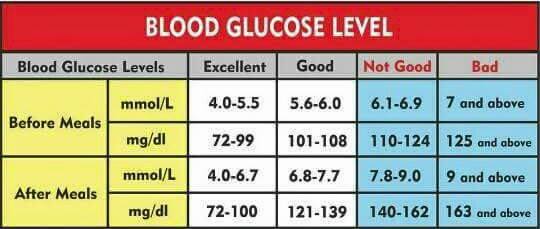
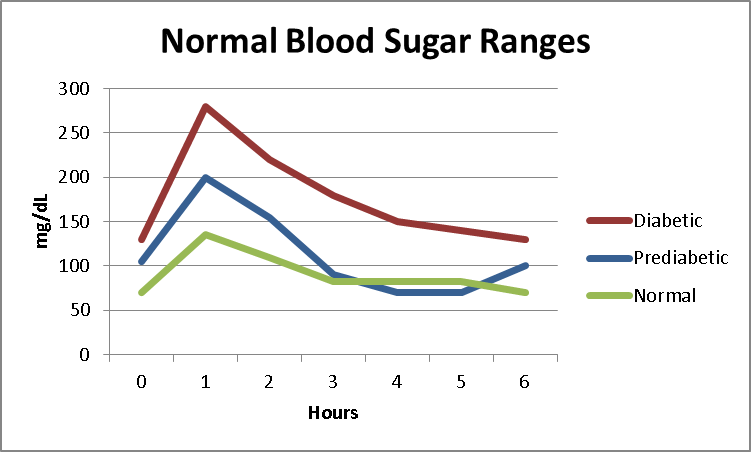
As someone who struggles with managing their blood sugar levels, it can be frustrating to feel like you’re constantly walking a tightrope between high and low levels. Understanding what your blood sugar levels should be, both before and after eating, is crucial to maintaining a healthy lifestyle with diabetes. One important thing to note is that blood sugar levels can vary depending on the individual and their specific circumstances. However, as a general guideline, it’s recommended that you aim for a target blood sugar level of 80-130 mg/dL before eating and less than 180 mg/dL one to two hours after eating. When it comes to managing your blood sugar levels after eating, there are a few tips that may help. First, pay attention to the types of foods you’re eating and the portion sizes. High-carbohydrate meals, for example, can cause a spike in blood sugar levels. Incorporating more protein and fiber into your meals can help slow down the absorption of sugar into the bloodstream. Another helpful tip is to exercise after eating. This can help regulate blood sugar levels and also promote weight loss, a key factor in managing diabetes. However, it’s important to talk to your doctor before starting any new exercise routine. Finally, regularly monitoring your blood sugar levels with a glucose meter can give you insight into how your body is responding to certain foods and activities. Keeping a log of your levels can also help you identify patterns and make adjustments to your diet and lifestyle as needed. Now, let’s take a look at some visual aids to help us better understand blood sugar levels. The first image shows the symptoms of low blood sugar levels and how they can affect your body. It’s important to recognize these symptoms and take action, such as consuming a small amount of glucose, to bring your levels back up to a safe range. The second image shows a target blood glucose range for individuals with diabetes. This range may vary for each person, so it’s important to talk to your doctor about what target range is right for you. Regularly monitoring your blood sugar levels and making adjustments to your diet and medication as needed can help you stay in this range and prevent complications from diabetes. Remember, managing your blood sugar levels takes effort and dedication, but it’s worth it for your health and wellbeing. By making small changes to your lifestyle and monitoring your levels regularly, you can take control of your diabetes and live a healthy, fulfilling life.
If you are searching about Low Blood Sugar Symptoms: Blood Sugar Levels After Eating - Tips to you’ve visit to the right web. We have 5 Images about Low Blood Sugar Symptoms: Blood Sugar Levels After Eating - Tips to like Blood Sugar Levels, Blood Sugar Range and also New Year, New Month, New Week, New Day | Adventist Vegetarian Diabetics. Read more:
Low Blood Sugar Symptoms: Blood Sugar Levels After Eating - Tips To
 lowblood-sugarsymptoms.blogspot.comsugar blood normal levels after eating level chart glucose diabetes diabetic non before meals low ボード high bloodsugar diet する
Postprandial Blood Sugar - How To Control Spikes After Meals | Breathe
 www.breathewellbeing.inpostprandial spikes
Blood Sugar Levels
 www.the-diabetic-voice.comblood glucose levels target diabetic sugar normal level diabetes meal dl mg
New Year, New Month, New Week, New Day | Adventist Vegetarian Diabetics
 adventistvegetariandiabetics.comglucose mmol diabetic diabetes nursing
Blood Sugar Range
 www.bloodsugarbattles.comranges
Postprandial spikes. Sugar blood normal levels after eating level chart glucose diabetes diabetic non before meals low ボード high bloodsugar diet する. Blood sugar range